Water quality is a big deal in Fort Myers, especially with plenty of concerns about water safety, local contaminants, and shifting environmental conditions. Whether you’re getting settled in a new home, renovating, or simply curious about your tap, checking your water for unwanted substances offers real peace of mind. Here’s what I’ve learned about water testing in Fort Myers, why it matters, and what to expect, so you’ll have the info you need to make smart choices.
Common Sources of Water Contamination in Fort Myers
The geography and rapid growth in Fort Myers means the water supply sometimes picks up extra, unwanted substances. Most homes here get water from either public utilities or private wells. Lee County’s water usually comes from treated groundwater, but private wells pull directly from the aquifer, which can get tainted if there are nearby issues.
Some of the most common contaminants in our local water supplies include:
- Bacteria: Coliform and E. coli often get in from failing septic systems, animal waste, or floodwaters.
- Nitrates and Nitrites: Runoff from lawns, farms, or septic systems boosts these levels, especially risky for kids and infants.
- Lead and Heavy Metals: Older pipes in homes built before 1986 or corroded plumbing let metals like lead, copper, and arsenic slip into water.
- Chlorine and Byproducts: Public water is treated with chlorine, but high levels or byproducts can raise health concerns or impact taste and smell.
- Pesticides and Herbicides: Fertilizer or chemical runoff from agriculture and landscaping often seeps into both well water and city sources after rain.
Flooding and hurricanes might also bring in saltwater or other unexpected contaminants. Keeping an eye out for these possibilities is key for anyone in the area—especially if your household includes young children, seniors, or anyone with a sensitive immune system.
Why Regular Water Testing Matters in Fort Myers
Water testing isn’t just about fixing problems as they come. Regular checks help you catch issues long before they threaten your health or comfort. If you have a private well, testing is entirely your responsibility. Public water is tested by the city, but things can still crop up in your pipes or from neighborhood disruptions.
Consider water testing if:
- You notice changes in taste, smell, or color
- There’s been flooding, construction, or big storms nearby
- Your family includes pregnant women, infants, or elderly people
- You move into an older home with unknown pipes
- Your water comes from a well, or your neighbors have reported well problems
These situations are when a quick test can give you reassurance and lets you decide if you need filters, repairs, or other fixes.
How Residential Water Testing Works
Checking your water for contaminants is easier than you might think. In Fort Myers, three main options stand out:
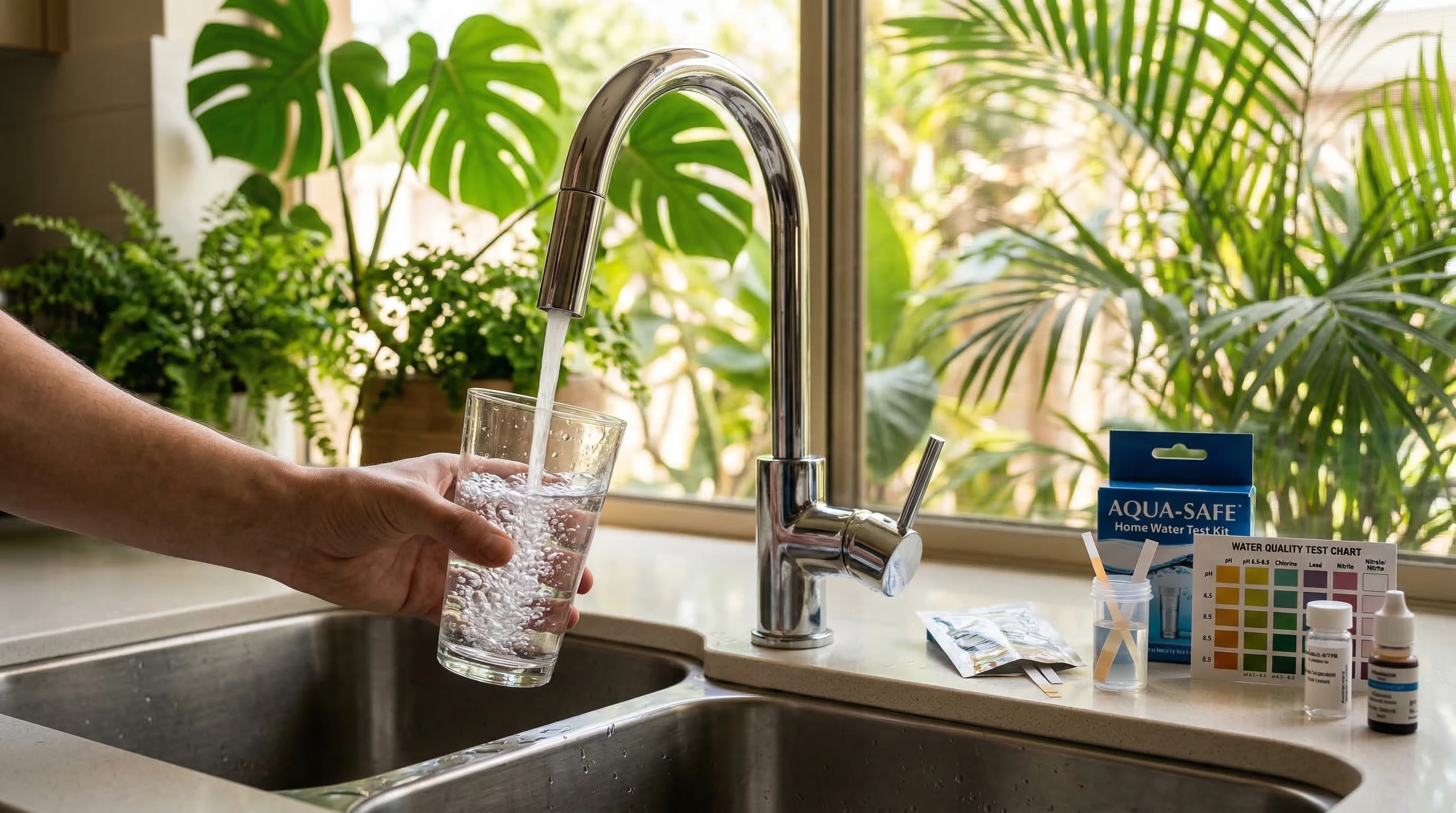
- DIY Water Test Kits: Found online or in hardware stores, these kits check for bacteria, lead, nitrates, chlorine, and pH. The instructions are easy—fill a vial, watch for color changes, and get results in minutes or hours. They’re handy, but not as accurate as a professional lab.
- Professional Lab Analysis: Certified labs analyze your water in depth. You can either mail a collected sample or have a technician come out. Lab reports often catch hidden issues that home kits won’t reveal.
- Free or Discounted Community Testing: Sometimes the city or local environmental groups set up free well-testing events, especially after major weather moments. Check the news or Lee County Health Department for announcements.
Which Contaminants to Test For in Fort Myers
Picking what to test for depends on your water’s source, your home’s age, and local risks. Typical water tests in Fort Myers usually include:
- Bacteria (coliform, E. coli)
- pH and total dissolved solids (TDS)
- Nitrates/nitrites
- Lead and copper
- Chlorine residuals (for city water)
- Pesticides/herbicides, especially if near farms or golf courses
- Hardness, iron, and specific metals like arsenic
Private well users should do a full check every year, along with any time they notice changes in their water. For city water, spot tests make sense if you notice odors, changes in color, or weird tastes—or you live in an older building.
Step-by-Step: How I Test My Own Water
- Grab a test kit or reach out to a certified lab.
- Closely follow the instructions. For lead, use first-draw water (the first water out in the morning).
- Mail to the lab or check the kit’s color codes.
- Look over your results. Test reports usually have color charts or clear readings. Laboratories flag anything above EPA safe levels.
If the test picks up bacteria or high chemicals, I always suggest running a second test and getting advice from a water expert, especially if you have anyone vulnerable at home.
What If Contaminants Are Found?
Finding an issue in your water isn’t a disaster, but knowing the next steps is key. Some solutions are simple, while others need a professional.
- Bacteria: Disinfect with chlorine (a “shock”), then retest before drinking.
- Lead: Flush taps for several minutes, install a filter made for lead, or swap out old pipes if you can.
- Nitrate/Nitrite: Switch to bottled water for babies and put in a reverse osmosis (RO) system if you see high levels.
- Pesticides/Herbicides: Carbon block or RO filters help, but sometimes drilling a deeper well or switching sources is smart.
If your home uses city water, always tell the provider and share testing results. The utility can check your results against theirs and help with what to do next.
Extra Tips: Keeping Water Safe in Fort Myers
A few regular habits help make your water safer in addition to testing:
- Never pour oils, chemicals, or medicines down the drain—these can end up in the supply
- Check your water before drinking after storms or hurricanes; boil orders are rare but do pay attention if they come up
- Change softener or filter cartridges as recommended
- Stay connected with neighbors using wells; shared problems can pop up next door first
- Keep an emergency water stash, especially in hurricane season
Frequently Asked Questions About Water Testing in Fort Myers
What’s the cost of water testing?
DIY test kits cost around $20 to $30. Lab tests run from $40 up to $150, depending on how many things you check.
Is city water in Fort Myers safe?
Usually, yes. Fort Myers Utilities posts water quality reports and stays within EPA standards. Problems show up sometimes with neighborhood plumbing, old fixtures, or after big storms and floods. You can read the latest city water quality report here.
How often should I test my water?
For private wells, test at least once a year or after construction or weather disruptions. For city water, check if you spot any change in taste, color, smell, or after plumbing work.
Where can I get help with water quality problems?
Check with the Lee County Health Department, local water labs, or experienced plumbers. The Florida Department of Health in Lee County also offers support and resources.
Helpful Takeaways For Fort Myers Homeowners
Running water tests is one simple way to help keep your family healthy and your worries at bay. Even if nothing’s ever gone wrong before, conditions can switch up fast—and early checks are much easier than handling a bigger issue later. By staying aware of what’s in your water, you can enjoy a cool drink straight from the tap, no worries attached.