What’s Really in Fort Myers Tap Water?

A Detailed Look at Contaminants Found in the City of Fort Myers Public Water System

Clean drinking water is something most people assume is guaranteed when they turn on the faucet. Municipal water systems across the United States are designed to treat and disinfect water so it is safe for public consumption.

However, what many residents do not realize is that water that meets federal legal standards can still contain measurable levels of contaminants.

Recent testing data compiled from federal and state sources and analyzed by the Environmental Working Group (EWG) shows that multiple contaminants have been detected in the City of Fort Myers public water system.

Some of these contaminants are present at levels that exceed modern health guidelines recommended by scientists and public health researchers.

If you live in Fort Myers, understanding what is in your water is an important step toward protecting your household’s health.

In this article, we will break down:

  • What the Fort Myers water system report shows
  • Which contaminants were detected
  • Why some levels exceed health guidelines
  • The difference between legal limits and health recommendations
  • What homeowners can do to better understand their water quality

For a full breakdown of the data, you can view the report here:

👉 https://www.ewg.org/tapwater/system.php?pws=FL5360102


Understanding the Fort Myers Public Water System

The City of Fort Myers operates a municipal water treatment system that provides drinking water to thousands of homes and businesses throughout the region.

Like most public water systems, the water goes through several treatment stages including:

• Filtration
• Chemical disinfection
• Distribution through underground pipes

These processes are designed primarily to eliminate harmful bacteria and pathogens that could cause immediate illness.

However, water treatment can also introduce chemical disinfectants, which sometimes react with natural organic matter in water and form new compounds called disinfection byproducts.

Additionally, water sources themselves can contain naturally occurring minerals, industrial pollutants, or trace chemicals that make their way into the supply.

Because of this, routine testing is performed to monitor the presence of contaminants.

Independent organizations like the Environmental Working Group compile these test results to help consumers better understand what may be present in their local water.


Why the EWG Tap Water Database Matters

The Environmental Working Group (EWG) maintains one of the largest public databases of drinking water testing results in the United States.

Their Tap Water Database analyzes information from:

• The Environmental Protection Agency (EPA)
• State water quality monitoring programs
• Public water utility reports

This information is then compared against health guidelines developed from modern scientific research.

While federal regulations define the maximum level of a contaminant legally allowed in drinking water, the EWG guidelines often reflect lower levels that scientists believe would better protect long-term health.

This is why some contaminants may appear as exceeding health guidelines even if the water system remains legally compliant with federal standards.

You can explore the Fort Myers system data directly here:

👉 https://www.ewg.org/tapwater/system.php?pws=FL5360102


Contaminants Detected in Fort Myers Tap Water

According to the data compiled in the EWG database, multiple contaminants have been detected in the Fort Myers water supply.

Several of these exceed recommended health guidelines.

Let’s take a closer look at the most notable ones.


Haloacetic Acids (HAA5)

Haloacetic acids are a group of chemicals that form when chlorine disinfectants react with natural organic materials in water.

These compounds are known as disinfection byproducts.

Disinfection is necessary to eliminate harmful bacteria, but it can also create chemical reactions that form these compounds.

Testing results for Fort Myers show measurable levels of haloacetic acids.

The levels detected were significantly higher than the strict health guidelines recommended by independent researchers.

Long-term exposure to elevated levels of haloacetic acids has been associated with:

• Increased cancer risk
• Liver effects
• Reproductive issues

Because of this, many health experts encourage efforts to reduce long-term exposure whenever possible.


Haloacetic Acids (HAA9)

Another related group of disinfectant byproducts is known as HAA9.

These compounds are closely related to the HAA5 group but represent a broader set of haloacetic acid chemicals.

Testing data shows that these compounds are also present in the Fort Myers water system.

Like other disinfection byproducts, these chemicals form during the water treatment process when chlorine interacts with natural organic matter.

Although they are a byproduct of necessary sanitation processes, their presence at higher levels raises concerns about long-term exposure.


Total Trihalomethanes (TTHMs)

Trihalomethanes are another major class of disinfection byproducts found in many public water systems.

They are produced when chlorine reacts with organic matter during water treatment.

Testing results for the Fort Myers system show detectable levels of trihalomethanes.

Scientific research has linked long-term exposure to elevated levels of trihalomethanes with potential health concerns including:

• Increased risk of certain cancers
• Liver and kidney effects
• Reproductive complications

Because of these potential risks, monitoring these chemicals is an important part of maintaining water quality.


Chlorate

Chlorate is another chemical byproduct associated with water disinfection processes.

It can form when chlorine dioxide or hypochlorite disinfectants degrade during storage or treatment.

Testing data indicates that chlorate is present in the Fort Myers water system.

While chlorate helps maintain microbial safety during treatment, high levels of exposure have been associated with potential thyroid effects.

Infants and pregnant women may be more sensitive to elevated chlorate exposure.


Hexavalent Chromium (Chromium-6)

Hexavalent chromium gained widespread public attention after the famous water contamination case in Hinkley, California.

This compound is sometimes referred to as chromium-6.

Chromium-6 can enter drinking water through:

• Industrial pollution
• Natural geological deposits
• Corrosion of metal equipment

Testing data shows that low levels of hexavalent chromium have been detected in the Fort Myers water supply.

Although the concentrations are small, chromium-6 has been studied extensively due to its classification as a potential carcinogen when present at elevated levels.


PFOA – A “Forever Chemical”

One of the most concerning groups of contaminants in modern water systems is known as PFAS, often referred to as “forever chemicals.”

PFOA is one of the most well-known compounds in this category.

These chemicals have been widely used in industrial processes and consumer products such as:

• Nonstick cookware
• Water-resistant fabrics
• Firefighting foam
• Food packaging

PFAS chemicals are extremely persistent and can remain in the environment for decades.

Testing data indicates that PFOA has been detected in the Fort Myers water system at trace levels.

Scientific research has linked PFAS exposure to several potential health concerns including:

• Immune system effects
• Thyroid disease
• Developmental issues
• Increased cancer risk

Because these chemicals accumulate in the body over time, many researchers emphasize the importance of monitoring and minimizing exposure.


Radium – A Naturally Occurring Radioactive Element

Radium is a naturally occurring radioactive element that can be present in certain groundwater sources.

Small amounts of radium can dissolve into water as it passes through underground rock formations.

Testing data shows that radium has been detected in the Fort Myers water system.

Long-term exposure to radioactive elements in drinking water has been linked to an increased risk of cancer.

This is why monitoring and regulating radioactive contaminants is an important part of water safety programs.


Legal Limits vs Health Guidelines

One of the most confusing aspects of water quality reports is the difference between legal limits and health guidelines.

Federal drinking water standards are established by the Environmental Protection Agency.

These standards determine the maximum level of contaminants that water utilities are legally allowed to deliver to consumers.

However, many of these standards were established decades ago and may not reflect the latest scientific research on long-term health effects.

Organizations like the Environmental Working Group publish health guidelines based on newer scientific studies.

These guidelines often recommend lower limits designed to minimize lifetime exposure risks.

Because of this difference, water may still be legally compliant while exceeding recommended health levels.


Why Disinfection Byproducts Are Common

Many of the contaminants detected in Fort Myers tap water fall into the category of disinfection byproducts.

These chemicals form when disinfectants react with organic materials naturally present in water sources.

While these byproducts can raise health concerns, the disinfectants themselves play a crucial role in preventing waterborne diseases.

Before modern water treatment practices were developed, contaminated water caused widespread outbreaks of illnesses such as:

• Cholera
• Typhoid fever
• Dysentery

Today, disinfecting drinking water is essential for protecting public health.

However, the challenge is balancing microbial safety with minimizing chemical byproducts.


Why Water Quality Can Vary From Home to Home

Even within the same city, water quality can vary depending on several factors.

These include:

Distance from the treatment facility
Age of municipal pipes
Household plumbing materials
Water heaters and storage tanks
Pipe corrosion

Because of these variables, two homes on the same street may have slightly different water quality results.

This is why individual water testing can provide valuable insight into what is actually coming out of your tap.


What Residents Should Do Next

If you live in Fort Myers or surrounding areas, the best place to start is by educating yourself about your local water system.

You can review the full testing data for the Fort Myers public water supply here:

👉 https://www.ewg.org/tapwater/system.php?pws=FL5360102

This database allows residents to see:

• Which contaminants were detected
• Testing levels over time
• Health guideline comparisons
• Regulatory limits

Understanding this information can help homeowners make informed decisions about their drinking water.


Water Awareness Is Growing Nationwide

Across the United States, more homeowners are becoming aware of what is present in their tap water.

Concerns about PFAS chemicals, heavy metals, and disinfection byproducts have led many people to begin testing their home water or installing advanced filtration systems.

In many cases, people simply want peace of mind about what their family is drinking every day.

The first step toward that peace of mind is education.

By reviewing publicly available water testing data, residents can better understand the quality of their local water supply.


Final Thoughts

Fort Myers residents are fortunate to have a municipal water system that provides treated drinking water to thousands of homes.

At the same time, publicly available testing data shows that several contaminants have been detected in the water supply.

Some of these exceed health guidelines recommended by modern research.

Understanding this information allows homeowners to make more informed decisions about their water.

If you want to explore the full water quality report for Fort Myers, you can view the complete data here:

👉 https://www.ewg.org/tapwater/system.php?pws=FL5360102

Learning about what is in your water is the first step toward protecting your household’s health and making informed decisions about your drinking water.
Best Water Testing Services Fort Myers

Dealing with water quality questions in Fort Myers is something a lot of people face, whether you’re worried about hardness, that chlorine smell, or potential contaminants. I’ve seen how tap water can change depending on the neighborhood, the plumbing, and even recent storms. Knowing exactly what’s in your home or business water gives you real peace of mind and helps you plan any next steps, like filtration or treatment. In this guide, I’ve laid out what to look for in water testing services in Fort Myers, highlighted some top companies, and answered frequently asked questions that come up a lot in conversations around town.

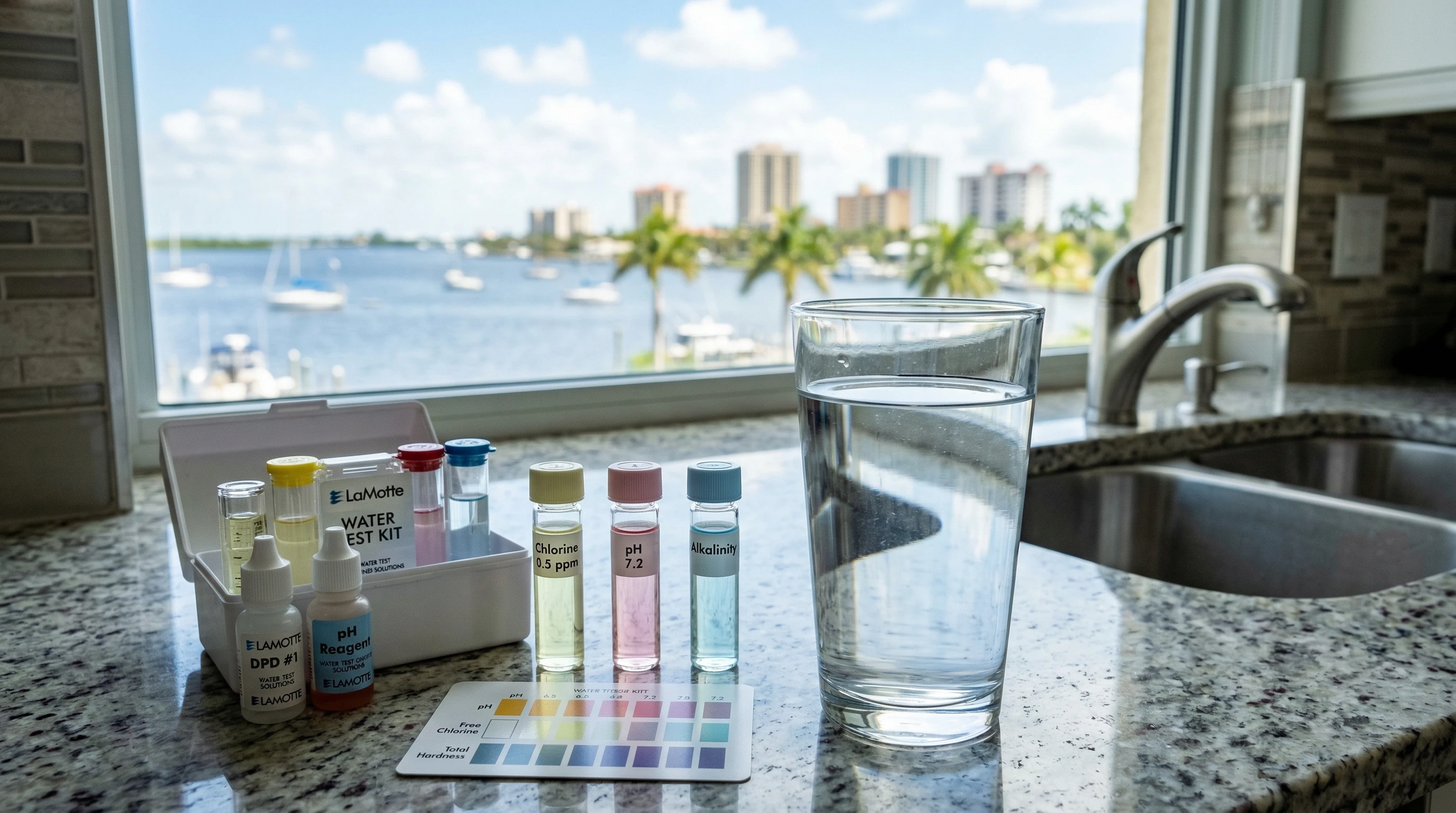
A close-up of a clear glass of water on a kitchen counter with a Fort Myers background, next to water test solutions and vials.

Why Water Testing Is Important in Fort Myers

Fort Myers is known for beautiful beaches, but it’s also known for hard water and issues caused by both well and city water sources. Water from wells can sometimes pick up bacteria, sediments, and high mineral levels. Even city water, while generally safe, might taste odd or have traces of chlorine, lead, or other unwanted substances. If you’ve ever noticed scale build-up on your faucets, cloudy water, or an unusual taste, there’s a solid reason to get your water checked out. Timely testing helps you spot problems before they turn into bigger headaches, like appliance damage or unexpected health worries.

Types of Water Testing Services Available in Fort Myers

Companies in Fort Myers offer a wide range of water testing services, some specifically tailored to the area’s unique needs. Here’s a rundown of what you’ll commonly find:

  • Basic Home Water Testing: Checks for hardness, pH balance, and chlorine. Great if you’re mainly dealing with scale and taste issues.
  • All-In-One Contaminant Testing: Looks for lead, arsenic, iron, copper, pesticides, bacteria (like coliform or E. coli), and nitrates. Very handy for well owners or anyone worried about wider health concerns.
  • Real Estate Water Tests: These are typically needed when buying or selling homes, especially with private wells, and reports are formatted for easy submission with real estate documents.
  • Commercial Water Analysis: Targeted for businesses such as restaurants, laundromats, or healthcare offices where water quality affects everything from day-to-day operations to health and safety standards.

Some companies provide fast, same-day answers for certain issues, while others may need a few days if the sample goes off to a lab for a deeper look.

Choosing the Best Water Testing Company in Fort Myers

Not every water testing service in Fort Myers gives you the same attention to detail or accuracy, so it’s key to know what’s important when picking a provider. Here’s what I suggest checking before making your choice:

  • Certified Labs: Pick a company that operates a state-certified lab or has a partnership with one for reliable, officially recognized results.
  • Clear Reporting: Go with companies that break down their reports in plain, understandable language, so you aren’t left scratching your head over technical mumbo jumbo.
  • Sample Collection: Some services offer free home collection, while others want you to handle the sample. Services that provide professional, on-site collection are usually more accurate and reduce errors.
  • Local Experience: Companies truly rooted in Fort Myers know the area’s frequent issues, including seasonal spikes due to flooding, soil conditions, or old plumbing.
  • Follow-Up Support: The best services go the extra mile by offering to go over results, explain next steps, and sometimes offer free retesting after any fixes or upgrades are installed.

Popular Water Testing Services Fort Myers Locals Rely On

I’ve heard positive stories about many local providers, but here are a few that frequently pop up in reviews, forums, and my own conversations in the community:

  • H2O Pros of Southwest Florida: Offers free home water analysis for basic checks and affordable full-lab reports for buyers and well owners.
  • Culligan Water Fort Myers: Known for speedy appointments and easy-to-read results. Staff explains your options if there’s an issue, especially for hardness or chlorine complaints.
  • Florida Water Analysis: Delivers all-in-one packages that cover bacteria, minerals, and chemical checks, plus quick household visits.
  • Water One, Inc: Handles both commercial and residential needs, with a focus on well water and follow-up recommendations after results.
  • SimpleLab Tap Score (Online-Based): Offers kits you mail in, with all-in-one digital reports so you can check details at your own pace.

Each company brings something different to the table, so read reviews, compare prices, and ask how they present results before you pick. Careful research lets buyers make smart choices.

Common Water Issues Found in Fort Myers

Water in Fort Myers often has high levels of hardness because of all the calcium and magnesium in local aquifers. This causes buildup in pipes and household appliances. Chlorine taste and smell can also be a common issue with city water, while well water is sometimes susceptible to bacteria, especially after flooding or if plumbing repairs have recently been done.

Other contaminants that people frequently ask about include:

  • Lead (usually stemming from older pipes)
  • Nitrates (tied to agricultural runoff or leaky septic systems)
  • Sediment (leading to a cloudy look, especially after hefty rain)
  • Pesticides (mainly in well water near farms)

The good news is that most of these problems are fixable with the right filter or treatment system. It makes sense to pinpoint what’s really in your water so you don’t waste money on a fix you don’t need.

How to Schedule Water Testing in Fort Myers

Scheduling a test is as simple as making a quick phone call or submitting an online form. Many local companies, including a few mentioned above, offer free or budget-friendly testing—particularly for homes on well water. If you’re interested, you can set up your free in-home water analysis today by calling 239-314-6401 or using the form on their website. The typical visit takes just 20-30 minutes, and a technician might check your faucets, grab a clean sample, and run a couple of fast spot tests right at your kitchen sink.

The Steps of a Professional Water Test

  1. Initial Request: Reach out to the provider by phone or through their website to decide on the best service option and book your visit.
  2. Sample Collection: Either a trained technician visits you, or you collect and send the sample yourself, following the clear step-by-step instructions. Clean hands and containers are absolutely crucial.
  3. Testing Process: On-site checks typically cover basic matters like hardness and chlorine. Anything more advanced, such as checking for bacteria or heavy metals, heads to the lab for deeper analysis.
  4. Getting Results: Expect a paper or digital report in as soon as 24 hours for basic checks, or a few business days for more advanced lab analysis.
  5. Support After Testing: If something is detected, good companies help guide you to solutions, such as new filtration or treatment, and might offer follow-up testing to make sure all upgrades worked as expected.

Questions That Come Up About Water Testing

How often should I test home water?
For those with wells, testing annually is smart. If you notice any quick changes in taste, color, or odor, get it checked right away. City water users can go longer, but should test if there’s ever doubt about quality.


What can water testing detect?
Basic tests cover hardness, chlorine, and pH. More advanced kits can spot bacteria (including E. coli), lead, arsenic, pesticides, nitrates, and more. A good testing company will help pick the right panel for your needs.


How fast will I get my results?
Some quick checks can be done on-site, but most tests for bacteria, heavy metals, or chemicals will take about two to five business days if the sample goes to a lab.


What happens if contaminants show up?
Your report should come with clear recommendations. These could range from a whole-house filtration system and faucet filters to well treatments. Reliable companies will even point you toward trusted local services to handle improvements.

Wrapping Up: Why Water Testing Should Be Routine in Fort Myers

It’s easy to keep your water quality top-of-mind by scheduling occasional checks, especially after big changes like moving in, remodeling, or plumbing work. The process is quick and usually affordable, sometimes even free for basics in the Fort Myers area. Staying current with water tests means fewer surprises and more confidence in what you’re drinking and washing with. It’s definitely worth tracking down a trusted local service if you haven’t already.

If you’re ready to check your water or merely curious about what’s coming out of your tap, remember you can set up a free in-home water analysis by calling 239-314-6401 or using the company’s site form today. Knowing the details about your water puts your mind at ease and can solve problems before they even show up.

Why Rainsoft Water Testing Is The Best In Fort Myers Florida

If you live in Fort Myers, Florida, you might have noticed unusual tastes, odors, or even staining from your tap water. Southwest Florida water brings its own set of challenges, from mineral deposits to potential contaminants. That’s where RainSoft steps in with a water testing service that’s thorough, free for homeowners, and trusted across the community. Here’s my breakdown of why RainSoft water testing is the best choice around if you care about what’s coming out of your taps.

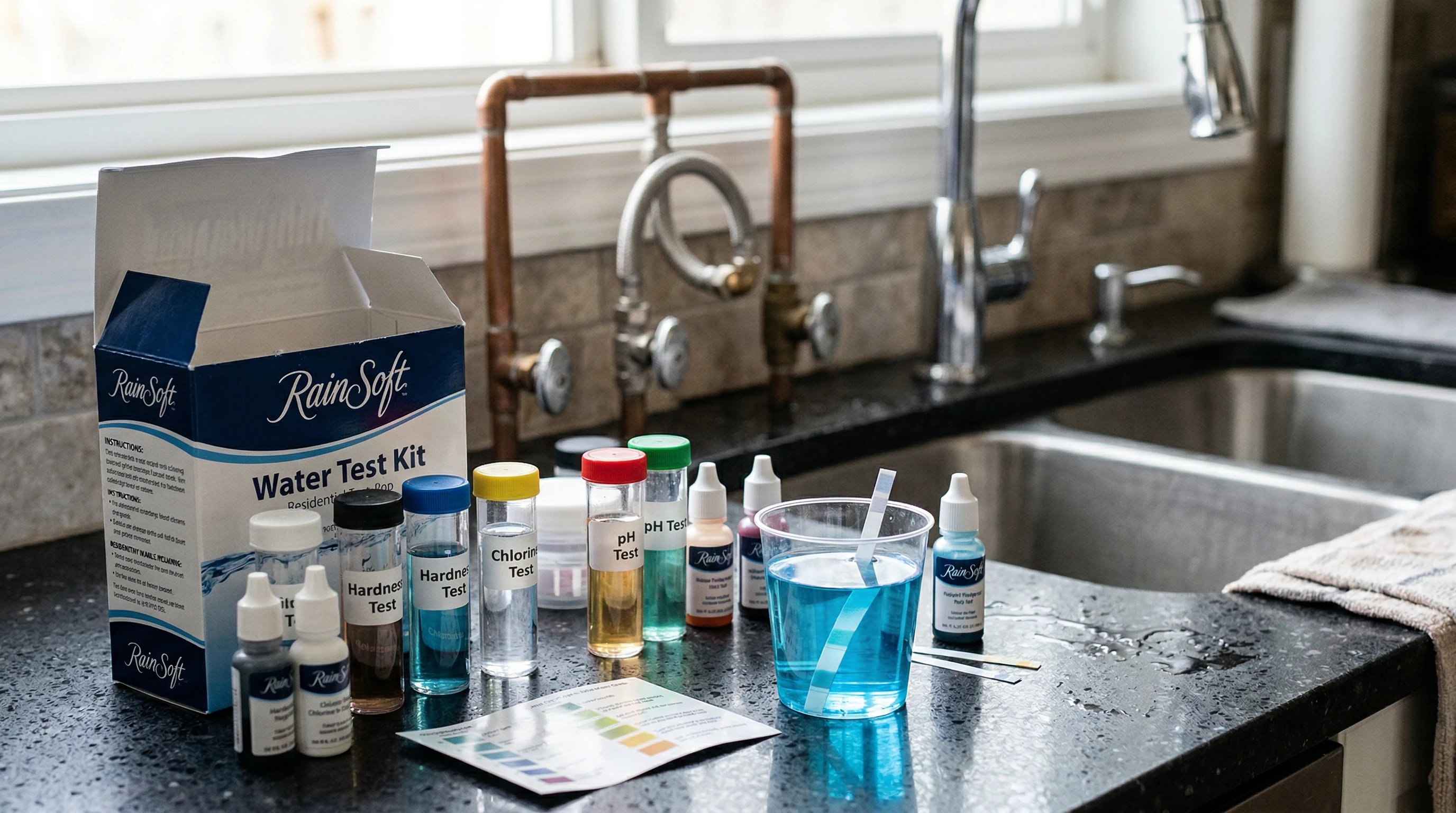
RainSoft water test kit and equipment, clean drinking water, and a close-up of pipette and test vials on a kitchen counter.

Why Water Quality Is Super Important in Fort Myers

Drinking water in Fort Myers comes from both surface water and ground sources. That means it can pick up minerals like calcium and magnesium, sulfur compounds, traces of chlorine, and organic materials along the way. Some people notice hard water scale buildup on faucets and appliances or have sensitive skin reactions from what’s in the water. Plenty of folks wonder about the safety and drinkability of water straight from the tap. Simply put, having accurate information about your water is really important for making decisions about filters, softeners, and, most importantly, your health.

RainSoft’s water testing is pretty handy here because it gives Fort Myers residents a clear snapshot of what’s in their water. It’s not a generic service—it’s tailored to the challenges facing Southwest Florida’s unique water situation. Even if your water comes from a municipal source, changes in supply, city pipes, or plumbing at home can impact the quality that actually reaches you.

What Makes RainSoft Water Testing Stand Out?

RainSoft’s water testing is a step above what you might find at a hardware store or with a simple at-home kit. Here’s why:

  • All-in-one Analysis: The process covers more than just pH or “hardness.” RainSoft checks for a wide range of contaminants and minerals, so you get the complete picture and then some.
  • In-home Convenience: A RainSoft representative comes right to your home in Fort Myers. You don’t have to ship samples off or interpret results yourself, which takes a lot of guesswork and hassle out of the equation.
  • Accredited and Knowledgeable Team: RainSoft is a nationally recognized brand, and their Fort Myers team knows exactly what to look for in local water. Their training helps them spot things that matter from both a science and local experience standpoint.
  • Free for Homeowners: There’s no cost to schedule a basic water analysis. If you want something even more advanced, they can walk you through options, but there are zero hidden fees for the core service.

The team doesn’t just hand you raw numbers; they actually explain what each result means and what you can do about it. They’ll also help you compare the data to EPA and local standards so you can tell how your water matches up.

How the RainSoft Water Test Works

RainSoft’s process is straightforward and stress-free for homeowners. Here’s what you can expect if you schedule a visit in Fort Myers:

  1. Simple Scheduling: You just call 239-314-6401 or go through their website to choose a convenient time. Their team respects your schedule and arrives prepared.
  2. On-site Collection: The technician gathers water straight from your tap or wherever you need tested (kitchen, bathroom, outside spigot). This keeps results real and relevant, not based on old pipes or distant sources.
  3. Series of Tests: They perform separate tests for hardness, pH, chlorine, iron, sulfur, and other factors that can impact taste, appearance, and safety. Some advanced tests are sent off to a lab for more detailed analysis if needed.
  4. Clear Results and Recommendations: Everything is explained using everyday language. If a filter or softener could help, they’ll show you exactly why based on your test data.

There’s no pressure to buy anything. The goal is arming you with the right info, and it really is up to you what happens next.

Common Water Concerns Addressed by RainSoft in Fort Myers

Homes across Fort Myers deal with a range of water quality issues. RainSoft’s analysis covers the most common ones, including:

  • Hard Water: Responsible for spots on dishes and shortened lifespan of water heaters and appliances. Hardness testing helps you see just how much calcium and magnesium are coming through your pipes.
  • Chlorine and Chemical Residues: Some areas have a noticeable chlorine odor. RainSoft checks to see if these levels meet healthy standards, especially if you’re sensitive to tastes and smells.
  • Sulfur and “Rotten Egg” Odors: Sulfur is a natural part of Florida’s groundwater, causing strong odors. Tests show exactly what’s causing the smell and how to remedy it.
  • Staining Minerals (Iron, Manganese): Reddish or black stains in sinks and toilets are often due to iron or manganese. Their testing identifies where these minerals are present and how serious the problem is.
  • Acidity and pH Balance: Corrosive water can wear out pipes and fixtures. RainSoft tells you if your water is balanced or if it could start causing plumbing headaches.

This covers about 90% of the water issues people report in Fort Myers. If you’re dealing with something more unusual, RainSoft has access to even more advanced tests. In addition to these common issues, RainSoft also checks for microbial presence if you have concerns about well water or older plumbing, giving you a more detailed assessment. This means they’ve got you covered for nearly any concern, big or small.

What Sets RainSoft’s Testing Apart from Home Test Kits?

Home test strips are quick and can give you a glimpse of one or two things, but they’re not always reliable for the full spectrum of possible problems. Here’s where RainSoft’s water testing pulls ahead:

  • Accuracy: The results from a prograde test are more precise, so you can trust the data when weighing next steps.
  • Customization: RainSoft’s techs can tailor tests based on concerns you mention during scheduling. Some homes have custom challenges, like old copper pipes or well water, and RainSoft adapts accordingly.
  • Expert Help: With home tests, you’re usually left reading a color scale. RainSoft translates readings into clear actions and safety standards, taking the mystery out of interpretation.

If you end up needing a fix, like a filter or softening system, RainSoft matches the solution specifically to your test results, not the other way around. With their guidance, making sure your water is the safest and cleanest possible becomes a straightforward, stress-free decision. You also get to ask plenty of questions in real time, which can really give you peace of mind when it comes to something as important as your home’s water.

Extra Perks of Working with RainSoft in Fort Myers

RainSoft’s team has worked with thousands of homeowners throughout the area, so you’re dealing with a crew that genuinely knows this region’s water. They’re always happy to follow up with additional questions, future retesting, or service calls for equipment.

RainSoft is also backed by solid national support, but with a local presence; meaning you get quick appointments, familiar faces, and solutions that make sense for Florida’s humid, sandy, and sometimes unpredictable climate. This local expertise means that even rare issues are on the radar. You get the best of both worlds—a large company’s resources with small-town know-how.

Transparency is baked into the entire process, so you’ll know what you’re getting at every step. Plenty of customers mention that this approach feels low-pressure, which takes the stress out of water improvement decisions.

Frequently Asked Questions About RainSoft Water Testing

How much does the water test cost?
For Fort Myers homeowners, the basic in-home analysis is completely free. The only time you’d pay is if you opt in for some specialty test that needs third-party lab analysis.


Will I have to buy a filter or water softener?
Nope. The water test is all about giving you honest feedback about your tap water. Recommendations are personalized, and there’s absolutely no push to buy if you don’t want or need something.


How soon can RainSoft come to my house?
Scheduling is usually pretty quick. You’ll often get an appointment within a few days by calling 239-314-6401.


Is RainSoft’s water testing really better than other services?
I’ve personally seen RainSoft provide much clearer, more actionable results than anything you can get at a big-box store or from a mail-in kit. The difference is in the detailed breakdown, in-person service, and local expertise.


What should I do to prepare?
Not much! Just have a clear spot near the sink or the point where you want the water checked. The tech handles the rest.

Why Getting Your Water Tested Is Super Useful in Fort Myers

Whether you’ve lived in Southwest Florida for a while or just moved in, it’s always a good idea to know exactly what you’re drinking and using throughout your house. Even the cleanest-looking water can hide minerals, chemicals, or bacteria that aren’t always obvious without the right testing. RainSoft takes out the confusion, gives you straight answers, and can help you spot cost-effective fixes that keep your home running smoothly.

Scheduling a free in-home water analysis with RainSoft is one of the simplest ways to check off the “peace of mind” box as a homeowner. To set an appointment with an accredited RainSoft representative, just call 239-314-6401. Clean, safe, drinkable water isn’t always a given in Florida, but it’s a lot more achievable when you know what’s in your tap. Proactive testing today can save you money and worry tomorrow—so don’t wait to find out if your water needs an easy fix.